


Entrepreneurship & AI Intensive
Five days at your school. Student teams choose a problem worth solving, build a working product with AI tools, and defend it before a panel.
- Grades7 to 12
- LengthFive days
- WhereAt your school
- Teams makeA live product and a pitch
- CodingNone needed
Five days, one decision a day.
Each day trains one thing AI cannot do for a student, and ends with something they can show.
- The gap
Students rarely choose the problem
Most schoolwork arrives already assigned.
The day that closes itDay 1 · Choose a problem
Students pitch problems in three minutes each, and teams form around the ones worth solving.
- The gap
A polished draft is easy, a useful one is not
AI makes a first version quickly; whether anyone needs it is another question.
The day that closes itDays 2 and 3 · Real users
Teams interview the people they want to help, and by day three a working version anyone can open is live.
- The gap
Projects stop at a first draft
Without a deadline, work keeps growing and never ships.
The day that closes itDay 4 · Brand, price, and a fixed stop
Teams name the product, set a price, and stop building at a fixed hour.
- The gap
Little practice defending decisions
Students seldom have to explain their choices to strangers.
The day that closes itDay 5 · Demo day
Teams present to a panel, with families invited.
With AI’s help, more people than ever can build a product. This week is for practicing what to choose, how to judge it, and how to finish it.
In one hands-on week, students learn how a product is made from problem to launch, how to use AI tools across the work, and how to start the next project on their own.
How a product is made
Choosing a real problem, talking to users, setting a price, and pitching to a panel, as a team on a fixed deadline.
Using the new tools well
AI assistants for research, AI coding tools to build, and design tools for the brand. Students decide what stays.
Starting the next one themselves
The same steps carry into a passion project, a school competition, or a class assignment.
 ChatGPT
 Claude
 Cursor
 Perplexity
 DeepSeek
 Kimi
 Figma
 Canva
 Ideogram
 GitHub
 Vercel
 Stripe
Typical tools include ChatGPT, Claude, Claude Code, Cursor, DeepSeek, Kimi Code, Figma, and Canva, or whatever your school approves.
Students use AI. Few are taught to use it well.
Three findings from RAND’s national surveys of students. Each links to its source.
- 54%
of U.S. students said they used AI for school in 2025, up more than 15 points in one to two years.
Source: RAND, AI Use in Schools Is Quickly Increasing but Guidance Lags Behind, September 2025
- 80%+
of students said their teachers did not explicitly teach them how to use AI for schoolwork.
Source: RAND, AI Use in Schools Is Quickly Increasing but Guidance Lags Behind, September 2025
- 1 in 2
students said they are worried they will be falsely accused of using AI to cheat.
Source: RAND, AI Use in Schools Is Quickly Increasing but Guidance Lags Behind, September 2025
Five days, from a problem to demo day.
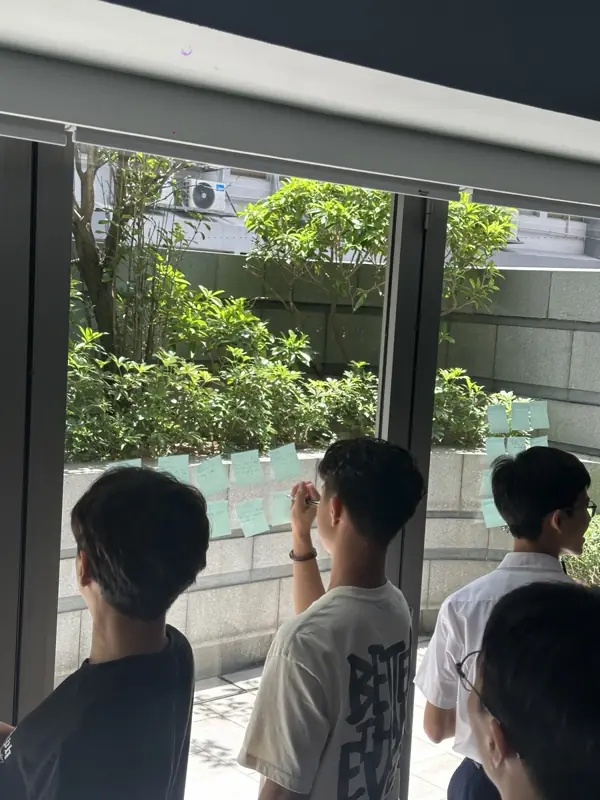
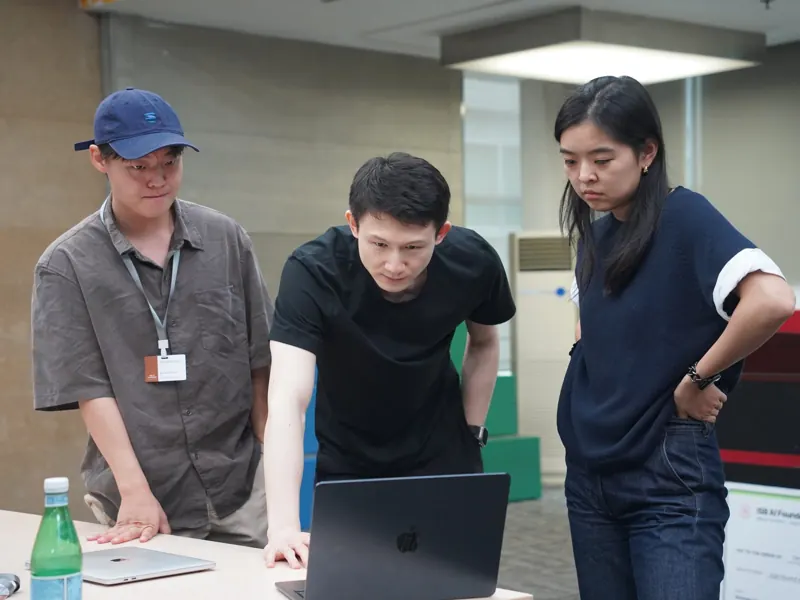
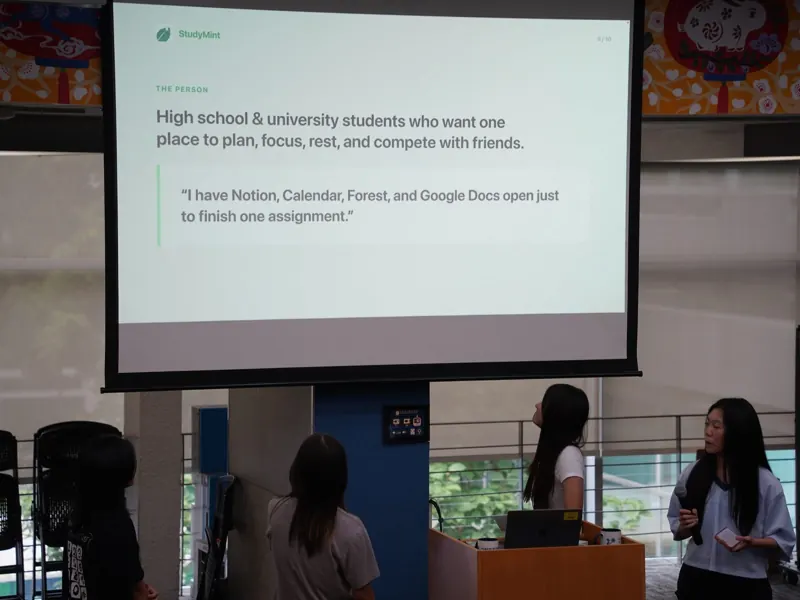
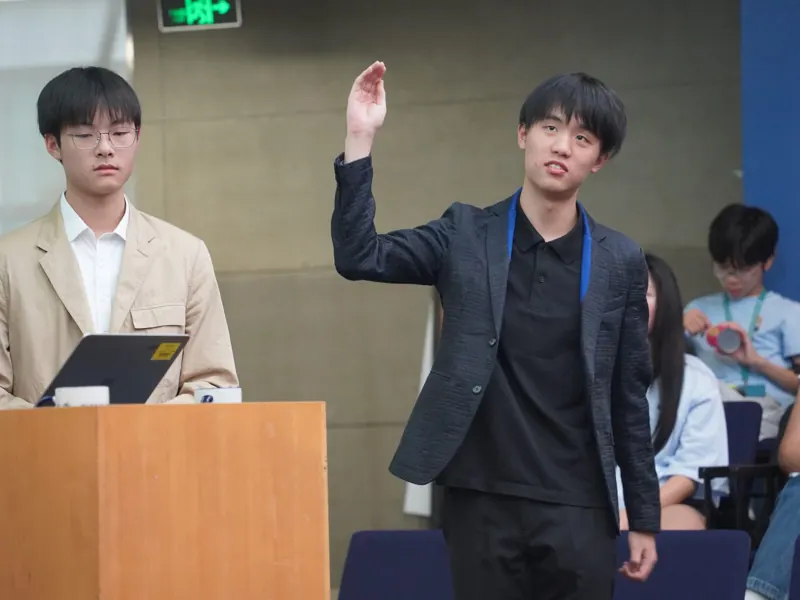
Mentors are in the room every day. Your teachers co-run the week and keep the format to run again.
The same week, with real students.
- International School of Beijing · Summer 2026
A five-day student program
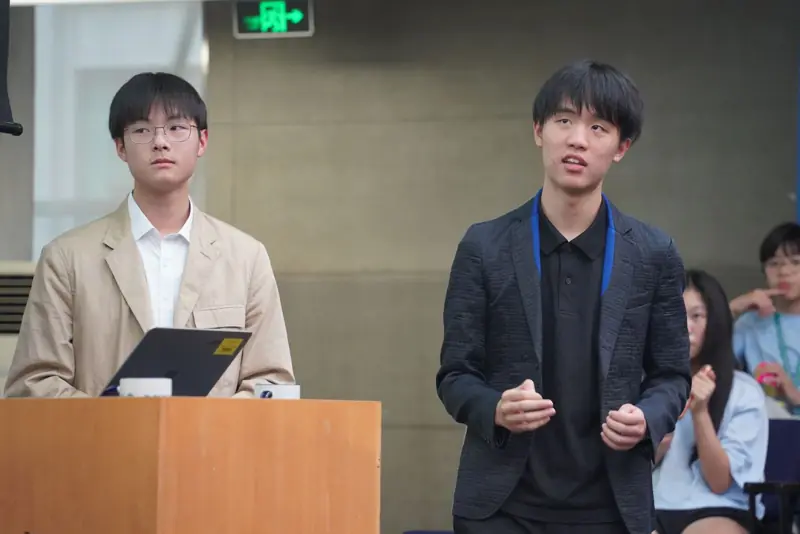
Over five days, students built working websites and apps with AI and presented them to judges, on the school’s campus with mentors in the room.
- Where
- International School of Beijing
- Judges
- Founders and operators from Harvard, Stanford, Y Combinator, and AI labs
- Bodley Academy · Hong Kong, summer 2025
Twenty students, five days
A five-day course designed and taught by Phillip An. Each student worked on one real problem they chose.
- Students
- 20
- Rating
- 9.5 / 10 Net Promoter Score
- Next · Winter break, Jan 5 to 8, 2027
AI Fundamentals for Students @ International School of Beijing
Four days at the end of winter break. Students learn AI tools and use them to turn an idea into a real product. No STEM background or coding needed.
- Where
- International School of Beijing
 ChatGPT
 Claude
 DeepSeek
 Kimi
 Figma
 GitHub
 Vercel
Or whatever your school approves. Students decide what stays.
Our team has walked the same path.
Arena’s team studied at and worked for the institutions students aim for, and teaches from that experience.

In her words
Education is moving from knowing the answer to knowing what’s worth building. That is the skill AI can’t hand a student, and the one we teach.
 Jing Jing YangCo-founder, Arena School
Experience
 Brown UniversityEconomics and Behavioral Decision Sciences
 Microsoft AIAI research
 AppleTechnology
 DeloitteConsulting
 Tsinghua UniversitySchwarzman Scholar
 Kimi · Moonshot AIInternational growth
In his words
AI is changing work quickly. The habits students build now, in class and at home, are what carry over.
 Phillip AnCo-founder, Arena School
Experience
 CaltechComputer Science
 McKinsey & CompanyManagement consulting
 Goldman SachsInvestment banking
 Harvard UniversityMBA and master’s in engineering
 Y CombinatorCo-founded Homebase, the first YC-backed company from Vietnam; Forbes 30 Under 30
- Tsinghua UniversitySchwarzman Scholar
Common questions
Do students need to know how to code?
No coding experience is needed. Students describe what they want in plain language, AI coding tools draft it, and students test the result and decide what stays. Directing the tools and judging what they produce is the skill we teach.
Who judges demo day?
A panel of founders and operators who have built real products. In Beijing, judges came from Harvard, Stanford, Y Combinator, and AI labs, and tested each team’s product before the pitch was scored.
How are teams formed?
On day one, students pitch problems they care about, and teams form around them. Each student chooses the team they join, and the team splits roles across research, building, and design.
Which AI tools do students use?
Whichever tools your school approves, including ones that work in China. We teach a method rather than one product, so students can apply it to whatever tools they use next, at school or at home.
How much does it cost?
We set it with each school, based on group size, length, and format. Tell us your grades, dates, and number of students, and we will reply within three working days with options.
Bring the intensive to your school
Tell us your grades and preferred dates. We reply within three working days.
 Presenting to the panel, Beijing 2026
- 01Five-day intensiveGrades 7 to 12 · five school days
Teams go from choosing a problem to a live product and a pitch at demo day.
- 02StarterGrades 7 to 12 · two to three days
A shorter arc: choose a problem, build a first working version, and demo it.
- 03Summer cohortGrades 7 to 12 · the full week, June or July
The same five-day arc, run on your campus over the summer.
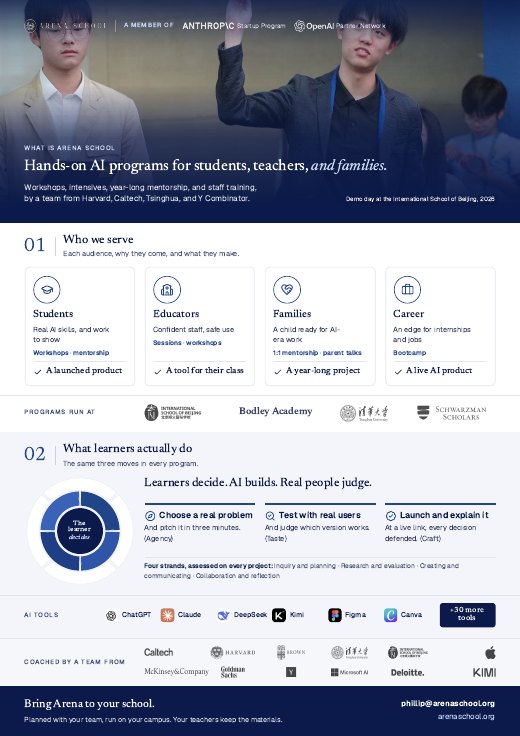
Get the Arena one-pager
Every program and what we have run, on one page for your team or board.
We will email the one-pager to you within one working day.
Our team has your note and will reply personally within three working days.